Установка фильтров и обслуживание бассейнов in 2024: what's changed and what works
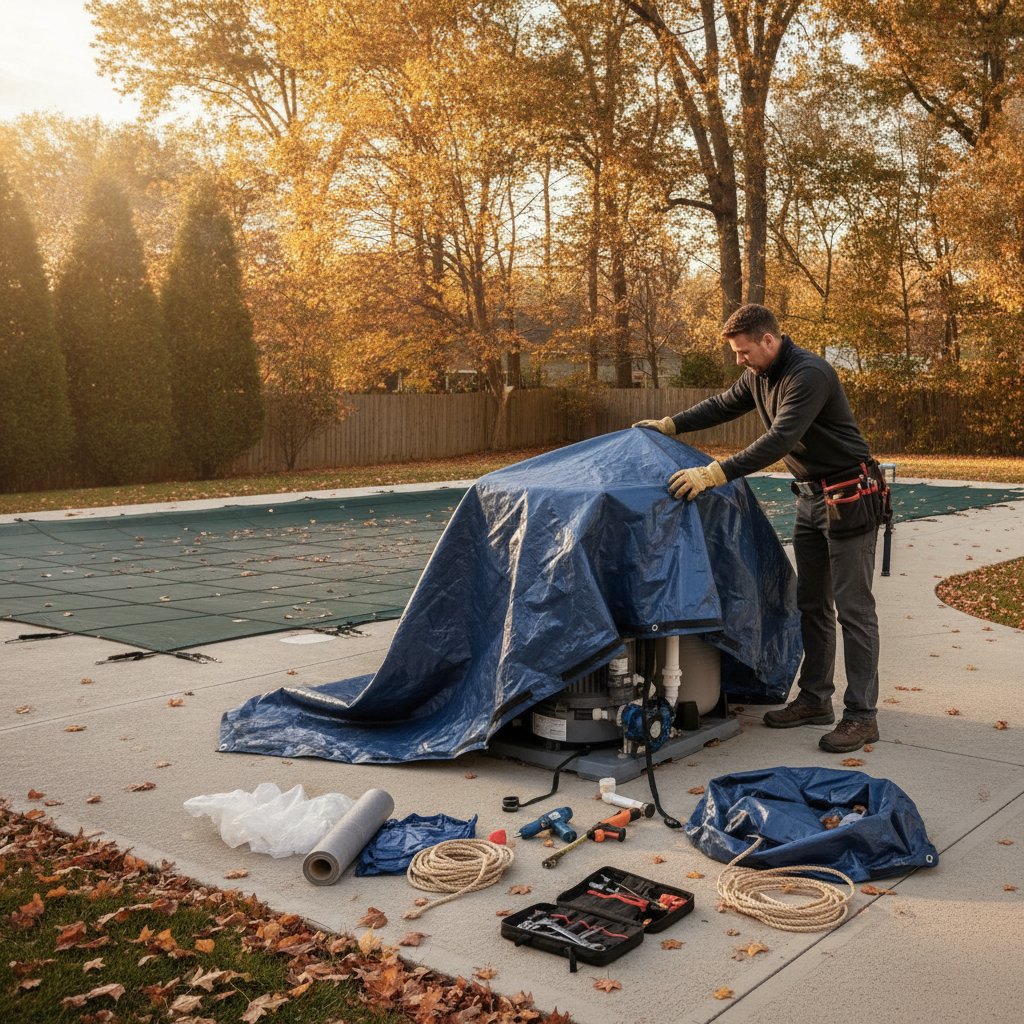
Pool maintenance has gotten a serious upgrade this year. After two decades of watching the same old cartridge filters and weekly chlorine routines, 2024 finally brought some genuine innovation to how we keep pools clean. Whether you're installing a new system or maintaining an existing one, the game has changed—mostly for the better.
Here's what actually matters if you want crystal-clear water without spending your weekends hunched over test strips.
1. Variable-Speed Pumps Are Now the Baseline, Not the Upgrade
Remember when variable-speed pumps were the fancy option that salespeople pushed? They're now practically mandatory in most regions. Energy regulations tightened in 2024, and single-speed pumps are being phased out faster than you can say "electricity bill." The typical variable-speed pump cuts energy consumption by 65-75% compared to old single-speed models, which translates to roughly $800-1,200 in annual savings for an average residential pool.
What's actually new is the smart integration. Modern pumps connect to your phone and automatically adjust speed based on time of day, temperature, and debris levels. No more running your pump at full blast for 8 hours straight. Instead, it might run at 30% speed overnight, ramp up to 70% during afternoon swim time, and hit 100% for 90 minutes after that big pool party. The software learns your pool's patterns within about two weeks.
2. Cartridge Filters Have Gotten Ridiculously Easy to Clean
Anyone who's wrestled with a 40-pound sand filter knows the pain. Cartridge filters were always the cleaner option, but cleaning them used to mean an hour of spraying and scrubbing. The 2024 models feature quick-release mechanisms and pleated designs that increase surface area by 40% while making debris rinse off in about 10 minutes.
The real breakthrough? Self-cleaning cartridge systems that backflush automatically every 72 hours. They're pricier—expect to pay $1,800-2,400 for a quality unit—but if you value your Saturday mornings, they're worth every penny. These systems use about 30 gallons of water per cleaning cycle versus the 200-500 gallons traditional sand filter backwashing requires.
3. Saltwater Systems Finally Fixed Their Corrosion Problem
Saltwater chlorination has been around for years, but it had a nasty habit of eating through metal components, especially in areas with hard water. Manufacturers spent the last 18 months developing titanium-coated cells and corrosion-resistant housings that actually deliver on their promises. Early data shows these new systems maintain 95% efficiency even after three years of continuous use.
The bonus? Salt prices have stabilized after the shortages of 2022-2023. You're looking at roughly $60-80 per season for salt versus $300-500 for traditional chlorine tablets. The initial system investment runs $1,200-1,800, but payback time has dropped to about 2.5 years for regular-sized pools.
4. UV Sanitization Stopped Being a Luxury Item
UV systems used to be reserved for commercial pools and wealthy homeowners. Prices have dropped dramatically—you can now install a residential UV unit for $600-900, down from $2,000+ just three years ago. These systems zap bacteria, viruses, and algae with ultraviolet light before they even reach your filter.
The catch? You still need some residual chlorine (about 0.5-1.0 ppm instead of 2.0-3.0 ppm), but that's enough to cut your chemical usage by 60-70%. For families with sensitive skin or anyone tired of that chlorine smell clinging to swimsuits, it's a game-changer. Bulb replacement runs about $150 annually, but most users report the reduced chemical costs offset this within six months.
5. Robotic Cleaners Got Scary Smart
Forget those random-pattern robots that bump around like confused Roombas. The 2024 generation uses AI mapping to scan your pool's shape, then calculates the most efficient cleaning path. They climb walls, scrub tiles, and return to their charging station when done. Total cleaning time for a 20x40 pool? About 2.5 hours versus the 6-8 hours older models needed.
Premium models ($1,400-2,200) now include fine mesh filters that catch particles down to 2 microns—basically microscopic stuff your main filter might miss. This means less strain on your primary filtration system and clearer water overall. The mid-range options ($800-1,200) still outperform the suction-side cleaners that dominated five years ago.
6. Water Testing Went Fully Automated (And Accurate)
Those color-matching test strips were always unreliable, and taking water samples to the pool store got old fast. Digital monitors that float in your pool now test pH, chlorine, alkalinity, and temperature every hour, sending data straight to your phone. When levels drift out of range, you get an alert with specific instructions: "Add 2.5 cups of pH increaser to skimmer."
These devices cost $300-500 and need probe replacements every 12-18 months (around $80), but they've eliminated the guessing game. Users report 30% less chemical waste because they're dosing precisely instead of eyeballing it. The systems also track trends, so you'll notice patterns like "pH always drops after heavy rain" and adjust accordingly.
Pool care isn't the weekend-eating chore it used to be. The tech finally caught up with what pool owners actually need: less manual labor, lower operating costs, and water that stays balanced without constant babysitting. Whether you're installing a new system or upgrading components, focus on automation and efficiency. Your future self—the one not spending Sunday afternoons scrubbing filters—will thank you.