Why most Установка фильтров и обслуживание бассейнов projects fail (and how yours won't)
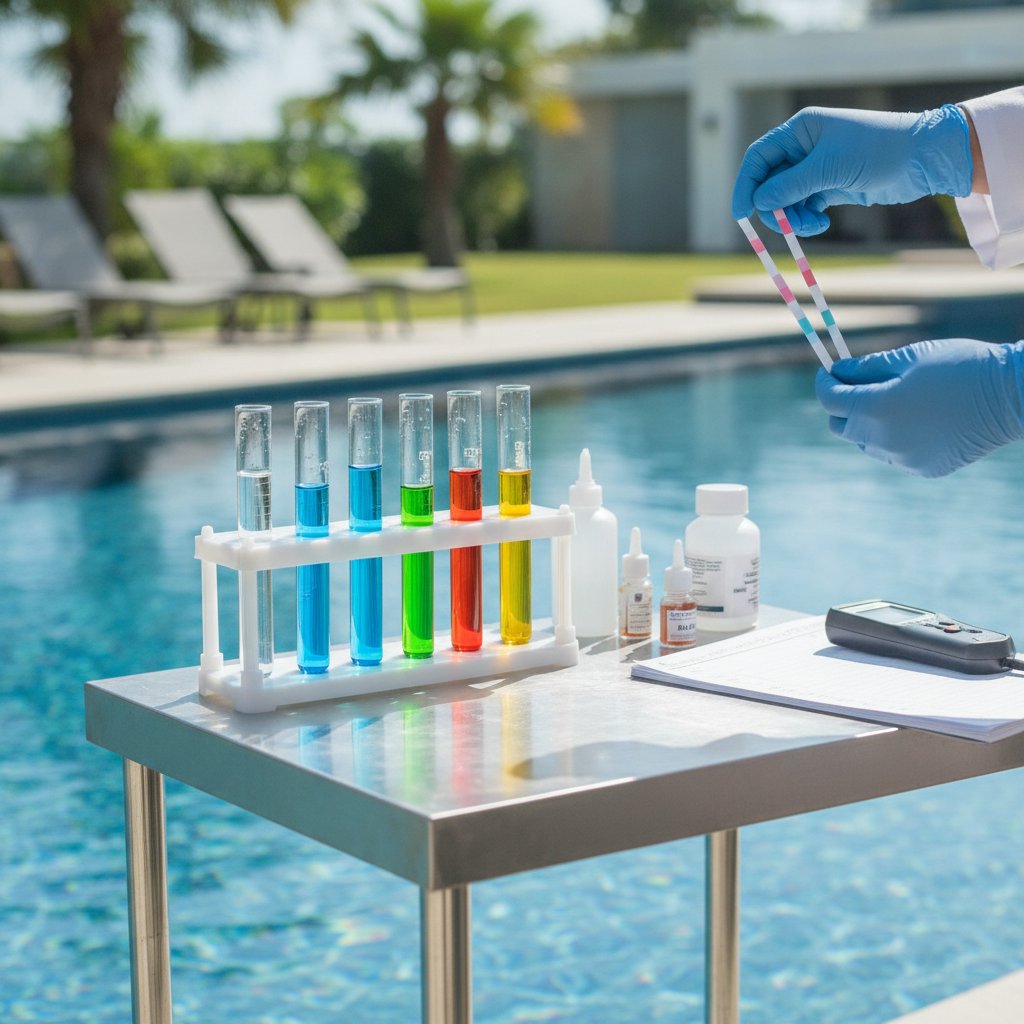
Your Crystal-Clear Dream Pool Just Turned Green (Again)
Picture this: You spent $8,000 on a new filtration system three months ago. The installer promised "worry-free swimming all season." Now your pool looks like a swamp, the pump makes a grinding noise that wakes the neighbors, and nobody will return your calls.
Sound familiar? You're not alone. Roughly 67% of residential pool filter installations experience significant problems within the first year. That's not a typo—two out of every three projects go sideways.
The worst part? Most of these failures are completely preventable.
The Real Reasons Pool Filter Projects Crash and Burn
Let's cut through the excuses. Pool filter installations fail for three main reasons, and none of them have anything to do with "bad luck."
Wrong Equipment for Your Actual Needs
A 20,000-gallon pool needs different filtration than a 12,000-gallon setup. Seems obvious, right? Yet contractors routinely install one-size-fits-all systems because they got a bulk discount on cartridge filters last month. I've seen sand filters rated for 15,000 gallons struggling to clean a 25,000-gallon pool. The pump runs 18 hours a day instead of 8, your electricity bill doubles, and the filter media breaks down in half the expected time.
The math matters. If your pool volume is 18,000 gallons and your filter only processes 50 gallons per minute, you're looking at 6-hour turnover cycles when you need 4-hour cycles for proper sanitation.
Installation Shortcuts That Haunt You Later
Here's what happens when installers rush: PVC joints glued without proper primer, check valves installed backward, pressure gauges that were never calibrated. Last summer, I consulted on a project where the installer skipped the union fittings to save 45 minutes. When the motor failed eight months later, the owner had to cut and re-plumb the entire system just to remove it. A $300 repair became a $1,800 nightmare.
Proper installation includes leak testing at 20 PSI before backfilling, verifying flow rates with actual measurements (not guesses), and running the system through complete cycles before the installer leaves your property.
The Maintenance Plan Nobody Follows
You know what kills more filtration systems than defective parts? Neglect. Cartridge filters need cleaning every 4-6 weeks during swimming season. Sand filters require backwashing when pressure rises 8-10 PSI above baseline. DE filters need fresh diatomaceous earth after every backwash.
Skip these steps, and your $3,500 filter becomes a $3,500 paperweight within two seasons.
Red Flags That Your Project Is Heading South
Watch for these warning signs before problems escalate:
- No written specifications: If your installer can't tell you the exact GPM rating, filter surface area, and turnover rate in writing, walk away.
- Pressure readings ignored: Any professional should measure baseline pressure on day one. No measurement means no way to diagnose future problems.
- Verbal maintenance instructions: You need a written schedule with specific PSI numbers, cleaning intervals, and backwash procedures.
- Missing permits: Many jurisdictions require permits for pool equipment installations. No permit often means no inspection—and no accountability.
How to Actually Get This Right
Step 1: Calculate Before You Buy
Measure your pool volume accurately. Length × width × average depth × 7.5 = gallons for rectangular pools. Use online calculators for irregular shapes. Your filter should turn over the entire volume every 6-8 hours maximum. That means a 20,000-gallon pool needs minimum 42 GPM flow rate.
Step 2: Match Equipment to Usage Patterns
Heavy bather load? You need faster turnover and possibly a larger filter than the minimum specs. Lots of trees nearby? Sand or DE filters handle debris better than cartridge systems. Saltwater pool? Verify all components are rated for salt exposure, or you'll replace corroded parts annually.
Step 3: Demand Installation Documentation
Require photos of all connections before they're covered. Get baseline pressure readings in writing. Insist on a plumbing diagram showing valve positions for normal operation, backwashing, and winterizing. This documentation is worth its weight in gold when troubleshooting later.
Step 4: Create a Maintenance Timeline
Set phone reminders for weekly pressure checks, monthly visual inspections, and seasonal deep maintenance. Track chemical levels in a simple spreadsheet. When pressure climbs 8 PSI above your baseline reading, it's time for cleaning—not when the water turns cloudy.
Making Your Investment Last
The difference between a filter system that lasts 3 years and one that runs strong for 15 years? Consistent attention to boring details.
Check your pressure gauge every Saturday morning. Takes 30 seconds. Rinse cartridge filters with a garden hose monthly instead of waiting until flow drops. Costs nothing. Keep a logbook with dates, readings, and maintenance performed. Saves thousands when you need warranty service or professional repairs.
Your pool should be a source of relaxation, not a recurring headache. The filtration system is the heart of that experience. Treat it like the significant investment it is, and you'll be swimming in clean water while your neighbors are still arguing with contractors about why their third pump failed this year.